Posts

Showing posts with the label Nursing Care Plan

Acute Pain - Nursing Care Plan for Coronary Artery Disease

Nursing Diagnosis and Interventions for Coronary Artery Disease : Acute Pain Coronary artery disease is coronary artery pathological condition characterized by abnormal accumulation of lipids or fatty material and fibrous tissue in the walls of blood vessels resulting in changes in the structure and function of arteries and reduced blood flow to the heart (Brunner and Suddarth) The main cause of coronary artery disease is atherosclerosis. Atherosclerosis is the hardening of the artery walls. Arteriosclerosis characterized by the accumulation of fat, cholesterol, intimate layer of the artery. This heap is called atheroma or plaque. Nursing Diagnosis for Coronary Artery Disease : Acute Pain related to a decrease in myocardial blood flow, increased cardiac workload / oxygen consumption Outcomes: Stating chest pain disappeared / controlled. Demonstrating the use of relaxation techniques. Showed reduced tension, relaxed, easy to move. Interventions: 1. Monitor / record t...

Nursing Care Plan for Acute Pain (Impaired sense of comfort)

Image
Definition of Pain Pain is defined as a condition that affects a person's mind and the extensions if someone ever experienced. Pain means lead to feelings and reactions that are less fun. However, we all realize that the pain is often useful, among others, as a sign of danger; a sign that there are unfavorable changes in man. Classification of Pain 1. Based on the source a. Cutaneous / superficial: the pain of the skin / subcutaneous tissue. Usually burning. Example: exposed tip of a knife or scissors. b. Deep somatic / pain in: pain that arises from the ligament, cleanin. Blood, tendons and nerves, pain spreading and for longer than cutaneous. Example: joint sprain. c. Visceral (the internal organs): stimulation of pain receptors within the abdominal cavity, cranium and thoracic. It usually occurs due to muscle spasm, ischemia, tissue strain. 2. Based on the causes a. Physical: It could happen because of a physical stimulus. Example: fracture of the femur. b....

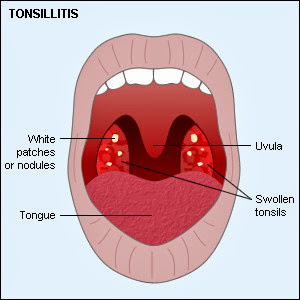
Acute Pain - Nursing Care Plan for Tonsillitis

Image
Acute tonsillitis is an acute inflammation caused by Beta-Hemolytic Streptococcal , Viridans streptococci and Streptococcus pyogenes , can also be caused by a virus. Etiology of Tonsillitis 1. Beta-Hemolytic Streptococcal Beta-Hemolytic Streptococcal is a gram-positive bacterium that can multiply in a healthy throat and can cause acute respiratory tract infections. 2. Streptococcus pyogenes Streptococcus pyogenes is a gram-positive bacterium that grows in a circular form long chains and lead group A streptococcal infection Streptococcus pyogenes is the cause of many important human diseases ranging from infection typically begins in the throat and skin. 3. Viridans streptococci Viridans streptococci has the unique ability dextran synthesis of glucose which allows them adhere to fibrin-platelet aggregates in damaged heart valves. 4. Influenza virus The influenza virus is an RNA virus of the family Orthomyxo Viridae (influenza virus). The virus is transmitted by the...

Acute Pain related to Hypoxia - NCP for Angina Pectoris

Image
Nursing Care Plan for Angina Pectoris Angina pectoris is a term that describes chest pain caused by myocardial ischemia. Angina is chest pain or discomfort that is caused when heart muscle does not get enough blood. It usually lasts for only a few minutes, and an attack is usually quickly relieved by rest or drugs (such as nitroglycerin). Also, it is possible to have myocardial ischemia without experiencing angina. Risk factors Risk factors for cardiovascular disease include family history, smoking, diabetes mellitus, metabolic syndrome, hyperlipidaemia, hypertension, obesity and lack of exercise. Cardiac abnormalities, especially outflow obstruction such as aortic stenosis or hypertrophic obstructive cardiomyopathy. Signs and symptoms Symptomatology reported by patients with angina commonly includes the following: Retrosternal chest discomfort (pressure, heaviness, squeezing, burning, or choking sensation) as opposed to frank pain Pain localized primarily in the epigas...

Acute Pain - Nursing Care plan for Cholelithiasis

Image
Nursing Care plan for Cholelithiasis Cholelithiasis is the medical term for gallstone disease. Gallstones are concretions that form in the biliary tract, usually in the gallbladder. Increased frequency of cholelithiasis is seen in women over the age of 40 years and in those with prior or current pregnancy, estrogen use, diabetes, prolonged fasting (eg, in total parenteral nutrition [TPN] patients), rapid weight loss, hemolysis, or cirrhosis. Symptomatic gallstone disease is treated with cholecystectomy (preferred treatment). In cases where surgery is not desired cholecystostomy may be considered. Dissolution of gallstones with medication, lithotripsy, and other techniques are generally futile. Causes and risk factors Cholesterol stones: Age over 40 years Female gender Parity Estrogen therapy Rapid weight loss High-calorie diet Sedentary lifestyle Diabetes mellitus type 2 Dyslipidemia (increased LDL cholesterol level) TNP Gastric bypass surgery Octreotide therap...

Acute Pain - Nursing Care Plan for Appendicitis

Image
Nursing Care Plan for Appendicitis Appendicitis is an inflammation of the appendix, an additional function as the bag is not located on the inferior and the cecum. The most common cause of appendicitis is obstruction of the lumen by fecal supply eventually undermine and erode the mucosal blood flow, causing inflammation (Wilson & gold man, 1989). Type of Appendicitis : 1. Acute appendicitis (sudden). Symptoms of acute appendicitis are fever, nausea, vomiting, decreased appetite, pain around the navel which is then localized in the lower right abdomen, pain worse for walking, but not everyone will show symptoms like this, it could also just be chills, or nausea - vomiting only. 2. Chronic appendicitis. Symptoms of chronic appendicitis bit similar to stomach acid pain where there is a faint pain (dull) in the area around the navel and sometimes intermittent fever. Often accompanied by nausea, sometimes vomiting, and pain that moves to the right lower abdomen with the typi...