Posts

Acute Pain - Nursing Care Plan for Coronary Artery Disease

Nursing Diagnosis and Interventions for Coronary Artery Disease : Acute Pain Coronary artery disease is coronary artery pathological condition characterized by abnormal accumulation of lipids or fatty material and fibrous tissue in the walls of blood vessels resulting in changes in the structure and function of arteries and reduced blood flow to the heart (Brunner and Suddarth) The main cause of coronary artery disease is atherosclerosis. Atherosclerosis is the hardening of the artery walls. Arteriosclerosis characterized by the accumulation of fat, cholesterol, intimate layer of the artery. This heap is called atheroma or plaque. Nursing Diagnosis for Coronary Artery Disease : Acute Pain related to a decrease in myocardial blood flow, increased cardiac workload / oxygen consumption Outcomes: Stating chest pain disappeared / controlled. Demonstrating the use of relaxation techniques. Showed reduced tension, relaxed, easy to move. Interventions: 1. Monitor / record t...

Nursing Care Plan for Acute Pain (Impaired sense of comfort)

Image
Definition of Pain Pain is defined as a condition that affects a person's mind and the extensions if someone ever experienced. Pain means lead to feelings and reactions that are less fun. However, we all realize that the pain is often useful, among others, as a sign of danger; a sign that there are unfavorable changes in man. Classification of Pain 1. Based on the source a. Cutaneous / superficial: the pain of the skin / subcutaneous tissue. Usually burning. Example: exposed tip of a knife or scissors. b. Deep somatic / pain in: pain that arises from the ligament, cleanin. Blood, tendons and nerves, pain spreading and for longer than cutaneous. Example: joint sprain. c. Visceral (the internal organs): stimulation of pain receptors within the abdominal cavity, cranium and thoracic. It usually occurs due to muscle spasm, ischemia, tissue strain. 2. Based on the causes a. Physical: It could happen because of a physical stimulus. Example: fracture of the femur. b....

Nursing Care Plan for Chest Pain

Chest pain is feeling pain / bad that disrupt the chest area and often the pain is projected on the chest wall. Chest pain varies from person to person. It may feel like a sharp, stabbing pain or a dull ache. While chest pain may be a sign of a serious heart-related problem, it may also have other common, non–life-threatening causes. Causes of Chest Pain heart attack angina—chest pain due to blockages in the blood vessels leading to your heart pericarditis—inflammation of the sac around the heart myocarditis—inflammation of the heart muscle cardiomyopathy—heart muscle disease aortic dissection—a rare condition involving rupture of the heart’s main artery Signs and symptoms that commonly accompany chest pain are: Heartburn Headache Pain is projected to arms, neck, back Diaphoresis / cold sweat Shortness of breath Tachycardia Pale Skin Difficulty sleeping (insomnia) Nausea, Vomiting, Anorexia Anxiety, restlessness, focus on yourself Weakness Tense face, moaning...

Acute Pain Nursing Interventions for Peptic Ulcers

Nursing Care Plan for Peptic Ulcers Peptic ulcer is a condition in which the unbroken continuity of the gastric mucosa and extends below the epithelium. Mucosal damage does not extend all the way down epithelial erosion, although often considered as well as ulcers. (eg ulcers due to stress). Chronic peptic ulcer is different premises acute, because it has a scarring of the ulcer base. By definition, peptic ulcer can be found on any part of the gastrointestinal tract that is exposed to stomach acid sap, namely the esophagus, stomach, duodenum, and after gastroduodenal, too jejunum. Although the activity of peptic digestion by gastric an important aetiological factor, there is evidence that this is only one factor of many factors that play a role in the pathogenesis of peptic ulcer. Ulcer symptoms can disappear for days, weeks, or months and can even disappear only to look back, often with no identifiable cause. Many individuals have symptoms of ulcer, and 20-30% had perforation ...

Acute Pain related to Urinary Retention

Nursing Care Plan for Urinary Retention Urinary retention is a state of the buildup of urine in the bladder and does not have the ability to empty it completely. The signs and symptoms or clinical manifestation of the disease are as follows: Beginning with a slow flow of urine. Then there was polyuria, which becomes worse because the longer the emptying of the bladder is not efficient. Abdominal distention occurs due to dilatation of the bladder. Feels no pressure, sometimes painful and feel like urinating. In severe retention could reach 2000 -3000 cc. Nursing Diagnosis : Acute Pain Outcomes: Stating the pain is relieved / controlled. Shows relax, rest and increased activity appropriately. Intervention Assess pain, note the location, intensity of pain. Plaster drainage hose on the thigh, and a catheter in the abdomen. Maintain bed rest when indicated. Provide comfort measures Encourage use sitting soak, soapy to the perineum. Rational Provide information...

Treatment for Knee Pain

The knee is the joint that is often injured and if the pain, the pain was really excruciating. So how do you treat? Consider the right way to overcome knee pain more as reported by the Health Me Up (03/11) following. Applying an ice cube is the first step to relieve pain in the knee. But do not forget to wrap ice cubes in a towel and not directly exposed to the skin to treat pain that you experience. If you like to run or climb a mountain, cut the habit. For certain activities it is easy to make your knees hurt and in pain. Check the shoes you wear. Are the rights, material, or size is appropriate? Because footwear also contributed to triggering pain in knee. If there is a difference in leg length, the problem immediately consult a doctor. The length of the foot is better to be proportional in order to avoid injury and pain. You should also frequently exercise to stretch your legs way wide open. The activity makes the foot muscles more flexible and reduce the risk of knee pa...

Acute Pain - Nursing Care Plan for Tonsillitis

Image
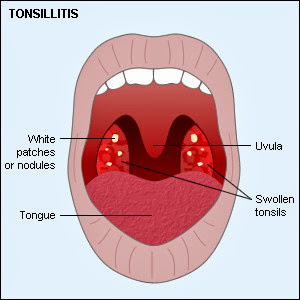
Acute tonsillitis is an acute inflammation caused by Beta-Hemolytic Streptococcal , Viridans streptococci and Streptococcus pyogenes , can also be caused by a virus. Etiology of Tonsillitis 1. Beta-Hemolytic Streptococcal Beta-Hemolytic Streptococcal is a gram-positive bacterium that can multiply in a healthy throat and can cause acute respiratory tract infections. 2. Streptococcus pyogenes Streptococcus pyogenes is a gram-positive bacterium that grows in a circular form long chains and lead group A streptococcal infection Streptococcus pyogenes is the cause of many important human diseases ranging from infection typically begins in the throat and skin. 3. Viridans streptococci Viridans streptococci has the unique ability dextran synthesis of glucose which allows them adhere to fibrin-platelet aggregates in damaged heart valves. 4. Influenza virus The influenza virus is an RNA virus of the family Orthomyxo Viridae (influenza virus). The virus is transmitted by the...